What Is Nylon Fabric?
Nylon is a synthetic fiber — polyamide, the first fully man-made fiber ever produced — with the highest strength-to-weight of anything common in fabric stores. It is why parachutes, climbing gear, swimwear and windbreakers lean nylon: enormous tensile strength in a light, smooth, quick-drying thread.
In apparel fabric you will meet it two main ways: slick wovens (windbreaker, ripstop) and soft, sleek knits (swim tricot, activewear jersey), usually blended with spandex.
How nylon is made
Polyamide chips are melted and extruded into continuous filaments — smooth, uniform and immensely strong. The fiber absorbs a little moisture (more than polyester), which makes it slightly softer-feeling and less static-prone, but also means it holds water marginally longer. Its real weakness is heat: nylon melts at iron temperatures, so pressing happens low and quick or not at all.
What nylon feels like
Cool, smooth, almost slippery, with a fine drape at light weights. Nylon knits feel sleek and second-skin — the classic swim and leggings hand. Woven nylon rustles and blocks wind. Neither breathes like a natural fiber, but both dry in a fraction of the time.
What to sew with nylon
- Swimwear and activewear (nylon-spandex knits)
- Windbreakers, anoraks and vests
- Bags, pouches and linings in ripstop and pack cloth
- Rain shells in coated versions
For slick wovens: fine sharp needle, longer stitch, clips instead of pins where holes would show, and go easy on the iron. For nylon-spandex knits: ballpoint needle, stretch stitch, and polyester thread.
Nylon vs. polyester
The eternal synthetic showdown, and the answer is use-specific. Nylon is stronger, more abrasion-resistant, softer and slightly more absorbent. Polyester resists UV and holds color better, dries even faster, wrinkles less and costs less. Swim and gear favor nylon's strength and hand; outdoor colorfastness and easy-care everything favor polyester. Both melt — keep both away from hot irons.
How to care for nylon
Machine wash cool, hang or tumble low — nylon dries almost immediately anyway. Chlorine slowly degrades nylon-spandex swim, so rinse suits in fresh water after the pool. Iron only on the lowest synthetic setting with a press cloth, if at all.
The environmental picture is the standard synthetic one, honestly stated: nylon is petroleum-derived, energy-intensive to make and not biodegradable, and it sheds microfibers in the wash. Its counterweights are durability — nylon gear outlives most alternatives — and the growing supply of recycled nylon regenerated from fishing nets and offcuts.
Common questions
Is nylon waterproof?
The fiber does not absorb much, but woven nylon cloth lets water through unless it is coated (PU) or laminated. Uncoated nylon is wind-resistant and quick-drying, not waterproof.
Is nylon stretchy?
The fiber has moderate natural give, more than polyester, but real stretch comes from knit construction and spandex content. A nylon-spandex tricot stretches four ways; a woven ripstop barely at all.
Can you iron nylon?
Barely — lowest setting, press cloth, keep moving. Nylon melts before cotton temperatures. When in doubt, steam from a distance instead.
Which is better for swimwear, nylon or polyester?
Nylon-spandex feels softer and fits sleeker; polyester-spandex survives chlorine and sun longer. Frequent pool swimmers choose polyester; everyone else usually prefers nylon's hand.
Nylon from our shelf See all ›

Nylon Stretch Woven Fabric, 135 gsm, 146 cm — Red, ref EF-272009

Striped Nylon Woven Fabric, 41 gsm, 143 cm — Green
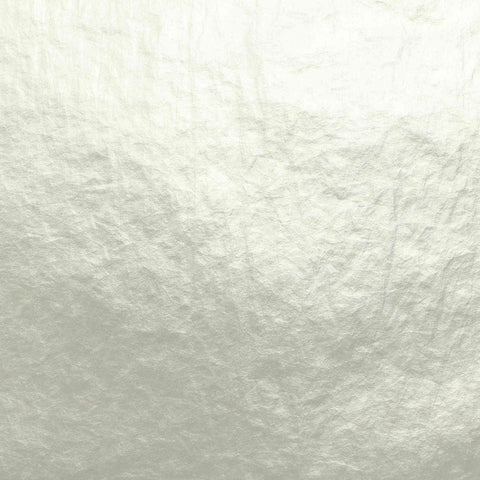
100% Nylon Plissé Fabric, 146 cm — Grey, ref EF-203897

100% Nylon Woven Fabric, 146 cm — Blue, ref EF-203904

100% Nylon Woven Fabric, 146 cm — Navy, ref EF-203899

Striped Nylon Woven Fabric, 41 gsm, 143 cm — Beige, ref EF-272037

100% Nylon Woven Fabric, 146 cm — Grey, ref EF-203890

100% Nylon Woven Fabric, 146 cm — Navy, ref EF-203893

Plaid Nylon Stretch Woven Fabric, 140 gsm, 145 cm — Khaki, ref EF-272089
